Fritz: The Retro Minimalist Typeface for Modern Branding
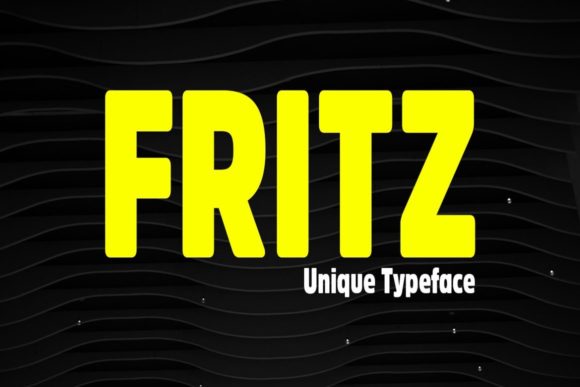
In the fast-paced world of digital design and branding, finding a typeface that strikes the perfect balance between nostalgia and modern readability is often a challenge. Designers frequently struggle to choose fonts that feel both established and fresh. This is where Fritz enters the conversation. Described as a sweet, rounded typeface inspired by famous restaurant brands, Fritz offers a unique blend of retro charm and minimalist efficiency. It is not just another decorative font; it is a versatile tool designed to make communication clearer, warmer, and more engaging.
The Origins and Philosophy Behind Fritz
To understand the value of Fritz, one must first look at its inspiration. The font draws heavily from the visual language of iconic mid-century dining establishments. Think of the bold signage of classic diners, the welcoming curves of vintage soda fountains, and the clean, uncluttered menus of beloved local eateries. These brands succeeded because they were immediately recognizable and incredibly easy to read from a distance or across a crowded room.
Fritz captures this essence but strips away the excess. Its retro, minimalist nature ensures that while it evokes a sense of history and comfort, it does not feel dated. Instead, it feels timeless. The rounded edges soften the reading experience, making text feel more approachable and friendly. This "sweet" quality is intentional, aiming to create an emotional connection with the viewer before they even process the actual words on the screen or page.
Key Characteristics and Features
What makes Fritz stand out in a sea of serif and sans-serif options? It is the specific combination of geometry and warmth. Below are the core features that define this typeface:
- Rounded Geometry: Unlike sharp, angular sans-serifs that can feel cold or corporate, Fritz uses soft curves. This reduces visual fatigue and creates a sense of continuity between letters.
- High Readability: Despite its stylistic quirks, the font remains extremely legible. The spacing (kerning) and x-height are optimized for clarity, ensuring that messages are understood quickly.
- Versatile Weight Options: While primarily known for its display strength, Fritz often comes in weights suitable for body text, allowing for cohesive design systems without switching families.
- Minimalist Aesthetic: There are no unnecessary flourishes or complex ligatures. The design relies on clean lines and balanced proportions, making it adaptable to various layouts.
This minimalist approach means that Fritz does not compete with the content it holds. Instead, it supports it. For business owners and creators, this is crucial. You want your message to shine, not your typography.
Who Benefits from Using Fritz?
While any designer can appreciate a good font, certain groups will find Fritz particularly useful. Its versatility allows it to bridge the gap between casual and professional environments.
Restaurant and Hospitality Brands
Given its inspiration, it is no surprise that food and beverage industries are primary users. Whether you are launching a new coffee shop, a bakery, or a casual dining chain, Fritz communicates warmth and appetite appeal. It suggests a place where people gather, relax, and enjoy good food. The rounded shapes mimic the organic forms of ingredients like bread, dough, and fruits, subtly reinforcing the product being sold.
Digital Content Creators
In the age of social media and short-form video, attention spans are shrinking. Fritz’s high readability and distinct personality help content stand out in crowded feeds. Bloggers, influencers, and podcasters use it for thumbnails, episode titles, and website headers to establish a friendly, trustworthy brand voice. Its ability to convey personality without shouting makes it ideal for building community.
Small Business Owners
For entrepreneurs who cannot afford custom typography, Fritz offers a pre-packaged solution that looks bespoke. It helps small businesses look more established and professional. A well-designed logo using Fritz can elevate a startup’s image, making it appear more credible to potential customers.
Practical Applications and Real-World Scenarios
Understanding where to use Fritz is just as important as knowing what it looks like. Here are some practical scenarios where this typeface shines:
- Menu Design: The most obvious application. Use Fritz for dish names and descriptions. Its rounded nature makes long lists of items less intimidating to read. Pair it with a simpler sans-serif for prices to create a clear hierarchy.
- Packaging Labels: For artisanal products like jams, spices, or craft beers, Fritz adds a touch of heritage and craftsmanship. It works well on tags, stickers, and main labels, especially when printed in bold weights.
- Website Headers: Hero sections benefit from large, impactful typography. Fritz can serve as a strong headline font that invites users to scroll down. Its minimalism ensures it doesn’t clash with background images or videos.
- Social Media Graphics: Create consistent branding across Instagram posts or Pinterest boards. Use Fritz for quotes, announcements, and event dates. Its friendly tone aligns well with engagement-driven content.
Evaluating Suitability: Strengths and Considerations
No single typeface is a universal solution. When considering Fritz for your project, it is essential to weigh its strengths against potential limitations. This honest evaluation helps ensure the font serves your goals effectively.
Strengths
The primary strength of Fritz is its emotional resonance. It instantly communicates friendliness, accessibility, and reliability. In a digital landscape often dominated by sterile, tech-focused fonts, Fritz offers a human touch. Furthermore, its readability is exceptional. Even at smaller sizes, the rounded characters remain distinct, reducing the cognitive load on readers.
Considerations and Limitations
However, Fritz is not suitable for every context. Because of its strong personality, it can become overwhelming if overused. Using it for dense blocks of body text in technical documents, legal contracts, or scientific papers may be inappropriate. In these contexts, neutrality and precision are prioritized over warmth.
Additionally, designers should be mindful of contrast. Since Fritz has a distinct shape, pairing it with other display fonts can result in visual clutter. It is best paired with simple, neutral sans-serifs or clean serifs to let the Fritz take center stage. Also, consider the medium. On low-resolution screens, the fine details of the rounded terminals might blur, so testing the font at actual display sizes is recommended.
How to Get the Most Out of Fritz
To maximize the impact of Fritz, follow these practical tips:
- Use White Space: Give the letters room to breathe. The minimalist design thrives in spacious layouts. Avoid cramming text into tight corners.
- Limit Color Palettes: Let the shape of the letters do the work. Use muted or earthy tones to complement the retro vibe, or stick to high-contrast black and white for a modern twist.
- Mix Weights Wisely: If available, use lighter weights for subheadings and heavier weights for main titles. This creates depth without sacrificing the font’s signature style.
- Test Across Devices: Ensure that Fritz renders correctly on mobile devices, tablets, and desktops. Responsive design requires careful attention to how web fonts load and scale.
Conclusion
In conclusion, Fritz is more than just a font; it is a design choice that prioritizes human connection. By drawing inspiration from the golden age of restaurant branding and refining it through a minimalist lens, Fritz offers a unique solution for creators seeking warmth and clarity. Whether you are designing a menu, a website header, or a social media campaign, Fritz provides a reliable, attractive, and highly readable option. For those looking to add a touch of retro sweetness to their modern projects, Fritz is a valuable addition to any typographic toolkit.