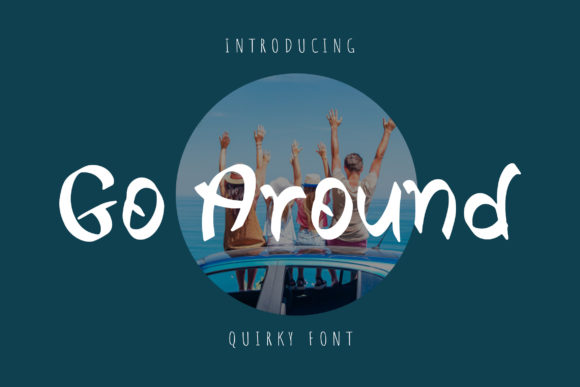
Go Around: Integrating a Quirky Display Font into Professional and Creative Workflows
In the landscape of digital design, typography is rarely just about readability; it is about voice. For creators, marketers, and small business owners, selecting the right typeface is a critical decision that bridges the gap between content and audience perception. Go Around is a display font that occupies a unique niche in this ecosystem. It is not designed for dense body text or technical documentation. Instead, it serves as a high-impact visual element intended to inject personality, playfulness, and a distinct "quirky" aesthetic into a project.
This article explores how to integrate Go Around effectively into your design workflow. We will move beyond simple description to discuss practical implementation, compatibility with other assets, and strategies for maintaining brand consistency while leveraging its bold character. Whether you are designing for Instagram, executing DIY craft projects, or building a brand identity for a lifestyle startup, understanding the operational role of a font like Go Around ensures your creative output remains professional despite its playful nature.
Understanding the Role of Go Around in Design Hierarchy
To use any tool effectively, one must understand its specific function. Go Around is categorized as a display font. In typographic theory, display fonts are meant to be read at large sizes—from headlines and posters to social media graphics. They prioritize style over legibility at small scales. This distinction is crucial for workflow efficiency because it dictates where the font can and should be used.
When planning a creative project, such as a marketing campaign or a product launch, designers often establish a hierarchy of information. Go Around fits naturally into the top tier of this hierarchy. It acts as an attention-grabber. Its quirky, cool, and playful characteristics make it ideal for:
- Headlines and Titles: Capturing immediate interest on landing pages or blog posts.
- Social Media Graphics: Creating eye-catching visuals for platforms like Instagram, Pinterest, or TikTok where visual noise is high.
- Event Posters and Flyers: Conveying a casual, fun atmosphere for workshops, pop-up shops, or community events.
- DIY Project Labels: Adding a handcrafted feel to homemade goods, wedding invitations, or party decorations.
By recognizing Go Around as a headline-only asset, you prevent common design errors such as using it for long-form text, which would lead to reader fatigue and a cluttered appearance. This clarity streamlines the design process, allowing you to focus on pairing it with complementary typefaces rather than debating its suitability for body copy.
Pairing Strategies for Balanced Composition
No font exists in isolation. The effectiveness of Go Around depends heavily on its interaction with other elements in your layout. Because Go Around is visually loud and distinctive, it requires balance. The most effective workflow involves pairing it with neutral, highly legible sans-serif or serif fonts for secondary information.
For instance, if you are designing an Instagram post using Go Around for the main hook, pair it with a clean sans-serif font like Helvetica, Roboto, or Lato for the caption or call-to-action. This contrast creates visual tension that keeps the viewer engaged without overwhelming them. In a business context, this pairing strategy reinforces professionalism. The quirky font draws the eye, while the neutral font provides the necessary details clearly.
Consider the following pairing principles when integrating Go Around into your toolkit:
- Contrast in Weight: If Go Around is bold and thick, choose a lighter weight for supporting text to create depth.
- Contrast in Style: Since Go Around has a unique, possibly handwritten or stylized feel, avoid pairing it with other decorative fonts. Stick to geometric or humanist sans-serifs for stability.
- Color Harmony: Use color to separate the display font from the functional text. A muted background with vibrant Go Around text can enhance readability and aesthetic appeal.
Implementation Across Digital and Physical Platforms
The versatility of Go Around allows it to span both digital and physical mediums. However, each medium presents different technical constraints and opportunities. Understanding these differences is essential for maintaining quality control throughout your production pipeline.
Digital Integration: Social Media and Web
For professionals managing social media accounts or personal blogs, Go Around offers a quick way to differentiate content from competitors. On platforms like Instagram, where users scroll rapidly, a unique font can serve as a visual anchor. To implement this efficiently:
- Template Creation: Create reusable templates in tools like Canva or Adobe Express that have Go Around pre-configured for headlines. This reduces setup time for daily posts and ensures brand consistency.
- Export Settings: When exporting images for web, ensure that the font outlines are preserved or that the image resolution is high enough to maintain the crispness of the letterforms. Rasterization can sometimes blur the intricate details of a quirky font.
- Accessibility Considerations: While Go Around is great for headlines, always ensure that alt text describes the image content accurately. Search engines cannot "read" the font style, so semantic HTML and descriptive metadata remain vital for SEO.
Physical Production: DIY and Print Projects
For hobbyists and small business owners involved in physical products, Go Around adds a tangible layer of personality. It is particularly well-suited for DIY projects such as creating custom packaging, labels, or signage.
When moving from screen to print, consider the following workflow adjustments:
- Vector Formats: Always work with vector files (SVG, AI, EPS) when preparing designs for cutting machines (like Cricut or Silhouette) or professional printing. This ensures that the curves and quirks of Go Around remain sharp regardless of size.
- Material Interaction: Test the font on actual materials before full-scale production. Ink absorption on paper, vinyl adhesion on bottles, or laser engraving depth on wood can affect how the font renders. A font that looks playful on a white screen might look cramped on textured kraft paper.
- Scale Testing: Print a test sheet at 100% scale. Display fonts often require more negative space around letters to breathe. Crowding Go Around can diminish its impact and make it difficult to read from a distance.
Workflow Efficiency and Asset Management
Integrating a new font into your routine requires organizational discipline. For freelancers and agencies juggling multiple clients, mismanaging font files can lead to broken links, inconsistent branding, and wasted time. Here is how to manage Go Around within a broader asset management system.
Licensing and Compliance
Before incorporating Go Around into any commercial project, verify the licensing terms. Display fonts often have specific restrictions regarding usage volume, merchandise, or redistribution. Ensure you have the appropriate license for your intended use case—whether it is personal, editorial, or commercial. Keeping records of licenses in a centralized database prevents legal issues and streamlines client approvals.
Version Control and Updates
If Go Around is part of a larger font family or receives updates, maintain version control. Using an outdated version of a font can result in subtle glyph changes that disrupt brand consistency across years of content. Document the version number used in each project file. This practice is particularly important for long-term brand identities where consistency builds trust with the audience.
Quality Control and Long-Term Viability
While Go Around is undeniably cool and playful, its quirkiness must be balanced with strategic intent. Overuse can lead to visual fatigue, making your content appear amateurish rather than artistic. To maintain quality control:
- Audit Your Brand Voice: Does your brand genuinely align with a playful, quirky tone? If your brand is serious, financial, or medical, Go Around may be inappropriate regardless of its aesthetic appeal. Use it only when it reinforces your core message.
- Maintain Consistency: Limit the use of Go Around to specific touchpoints. For example, use it only for weekend sale announcements or special event promotions, but reserve neutral fonts for standard operational communications. This scarcity increases the impact of Go Around when it does appear.
- Gather Feedback: Test your designs with a sample audience. Ask whether the font enhances the message or distracts from it. User feedback is a critical component of the iterative design process.
Conclusion
Go Around is more than just a decorative typeface; it is a strategic tool for enhancing visual communication. By understanding its role as a display font, pairing it effectively with neutral typefaces, and managing it within a disciplined workflow, creators and professionals can leverage its unique character to stand out in crowded digital and physical spaces. Whether you are crafting a DIY project or managing a multi-channel marketing campaign, integrating Go Around thoughtfully ensures that your creativity translates into clear, engaging, and professional outcomes.