Le Mans: Evaluating a Bold Display Font for High-Impact Design Projects
In the realm of graphic design, typography serves as the silent ambassador of a brand’s voice. When a project demands immediate attention, authority, and a touch of retro-futurism, the choice of typeface becomes critical. Le Mans has emerged as a distinctive option in this space, characterized by its bold, genuine display style. Designed to evoke a sense of speed, precision, and high-end aesthetics, it offers designers a unique tool for creating visual hierarchies that stand out. However, selecting the right font requires more than just appreciating its aesthetic appeal; it involves understanding its technical limitations, ideal use cases, and how it compares to other display options available in the market.
This analysis explores the characteristics of Le Mans, evaluating its strengths and tradeoffs to help designers and creative professionals determine if it fits their specific needs. By examining its application in web design, print media, and branding, we can better understand when this font shines and when alternative solutions might be more appropriate.
Understanding the Aesthetic Identity of Le Mans
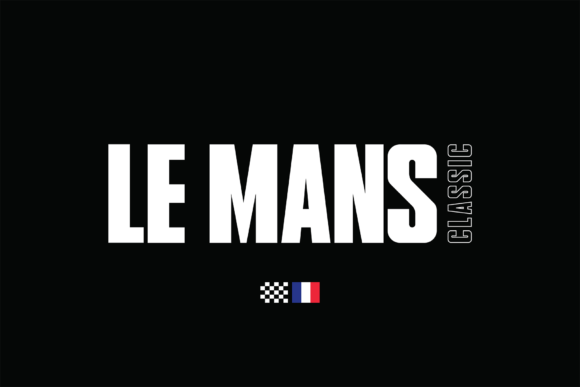
Le Mans is not merely a standard sans-serif or serif font; it is a display font. This classification immediately signals its primary function: to be read at large sizes rather than in long passages of body text. The font’s name itself evokes imagery associated with endurance racing, luxury automotive engineering, and mid-century modern elegance. Its design features sharp angles, consistent stroke weights, and a geometric structure that gives it a "bold and genuine" appearance.
The distinctiveness of Le Mans lies in its ability to look "out of this world." This sci-fi or futuristic undertone is achieved through its clean lines and lack of decorative serifs. It captures the essence of industrial design while maintaining a level of sophistication that appeals to contemporary audiences. For projects requiring a unique touch—whether it is a concert poster, a tech startup’s landing page, or a premium product label—Le Mans provides an instant visual hook.
However, this strong identity comes with a caveat. Because the font is so expressive, it leaves little room for subtlety. It commands attention, which means it must be used strategically. Overusing such a dominant typeface can lead to visual fatigue, where the viewer becomes overwhelmed by the sheer weight of the letterforms.
Comparing Le Mans to Standard Display Options
When evaluating Le Mans, it is helpful to compare it against broader categories of display fonts, such as condensed sans-serifs, heavy slab serifs, and vintage-inspired scripts. Each category serves different communicative purposes, and understanding these differences aids in making an informed decision.
Le Mans vs. Condensed Sans-Serifs
Condensed sans-serifs are often chosen for their efficiency in tight spaces, allowing designers to fit more text into headers without sacrificing readability. While Le Mans also possesses a somewhat condensed proportion, its primary strength is not spatial efficiency but rather visual impact. Unlike generic condensed fonts that aim for neutrality, Le Mans aims for personality. If a project requires a neutral, utilitarian header, a standard condensed font may be more suitable. If the goal is to create a memorable, branded headline, Le Mans offers a more distinct character.
Le Mans vs. Slab Serifs
Slab serifs provide a sturdy, grounded feel, often associated with reliability and tradition. They pair well with rustic or heritage-themed designs. In contrast, Le Mans feels more modern and dynamic. Its lack of serifs gives it a cleaner, faster look. For a brand wanting to convey innovation and speed, Le Mans is a superior choice over a traditional slab serif. However, for industries like law, finance, or publishing, where stability is paramount, the boldness of Le Mans might feel too aggressive compared to the稳重 (steady) nature of a slab serif.
Le Mans vs. Script Fonts
Script fonts introduce elegance, human touch, and fluidity. They are often used in fashion, wedding invitations, or artisanal food branding. Le Mans sits on the opposite end of the spectrum. Where scripts suggest handcrafted warmth, Le Mans suggests manufactured precision. These two styles are rarely interchangeable but can be paired effectively. Using Le Mans for headlines alongside a delicate script for subheadings can create a compelling contrast between modernity and tradition.
Practical Applications and Best-Fit Scenarios
Determining whether Le Mans is the right choice depends heavily on the medium and the message. Below are specific scenarios where this font excels, along with considerations for each.
- Web Design Headers: Le Mans is ideal for hero sections on websites where the headline needs to grab users within seconds. Its bold weight ensures legibility even on smaller screens, provided the sizing is adjusted correctly. It works particularly well for technology, automotive, gaming, and sports-related websites.
- Business Cards: For creative agencies or personal brands looking to make a statement, Le Mans can be used for names or titles on business cards. However, due to its boldness, it should be paired with ample white space. Cluttering a business card with this font can make it appear unprofessional or overwhelming. It is best reserved for the most prominent text elements.
- Event Posters and Flyers: The "out of this world" quality of Le Mans makes it perfect for event branding. Whether for a music festival, a tech conference, or a car show, the font’s energetic vibe aligns well with temporary, high-energy events. Its legibility from a distance is a key advantage in print advertising.
- Packaging Design: On product packaging, Le Mans can help a brand stand out on crowded shelves. Its geometric clarity translates well to various materials, from glossy boxes to matte labels. It is particularly effective for products related to performance, energy, or luxury goods.
Tradeoffs and Limitations
No single typeface is a universal solution, and Le Mans is no exception. Understanding its limitations is crucial for avoiding common design pitfalls.
Readability in Body Text: As a display font, Le Mans is unsuitable for body copy. Attempting to set paragraphs in this font will result in poor readability and eye strain. Designers must pair it with a highly readable sans-serif or serif font for longer texts. A neutral, lightweight sans-serif often complements the boldness of Le Mans well, creating a balanced typographic hierarchy.
Kerning and Spacing: Bold display fonts often require careful adjustment of kerning (the spacing between individual characters) and tracking (the spacing across a word). Due to the thick strokes and sharp angles, default spacing may feel too tight or uneven. Designers need to pay close attention to these details to ensure the text looks polished and professional. Neglecting kerning can make the font appear messy, undermining its intended sleekness.
Versatility Constraints: Because Le Mans has such a strong personality, it limits stylistic versatility. It does not lend itself well to soft, gentle, or minimalist designs. If a brand’s identity is based on calmness, simplicity, or organic growth, Le Mans may clash with those values. In such cases, a softer, rounded, or more neutral font would be a better fit.
Decision Factors: When to Choose Le Mans
Choosing Le Mans should be a deliberate decision based on specific project goals. Consider the following factors before integrating it into your workflow:
- Brand Voice: Does your brand communicate strength, innovation, and boldness? If yes, Le Mans aligns well. If your brand is about comfort, tradition, or subtlety, look elsewhere.
- Context of Use: Will the font be used primarily in large sizes? If the design relies on small-scale text, Le Mans is not the right tool. Reserve it for headlines, logos, and short phrases.
- Visual Hierarchy: Are you prepared to support the font with complementary typefaces and ample whitespace? Le Mans needs room to breathe. Without proper layout planning, it can dominate the design to the detriment of other content.
- Target Audience: Who are you trying to reach? Le Mans appeals to audiences who appreciate modern, dynamic, and high-energy aesthetics. It may not resonate with older demographics or those preferring classic, understated elegance.
Conclusion
Le Mans stands out as a powerful addition to any designer’s toolkit. Its bold, genuine display style offers a unique way to capture attention and convey a sense of futuristic elegance. By understanding its strengths in high-impact contexts and respecting its limitations regarding body text and versatility, designers can leverage Le Mans to create compelling visual narratives.
Ultimately, the success of using Le Mans depends on thoughtful integration. It is not a standalone solution but a strategic element that, when paired with appropriate supporting fonts and layouts, can elevate a design from ordinary to extraordinary. For projects requiring a unique touch and a strong visual presence, Le Mans proves to be a worthy consideration among the myriad of display options available today.