Design Lines: Why This Psychedelic Display Font Needs Careful Handling
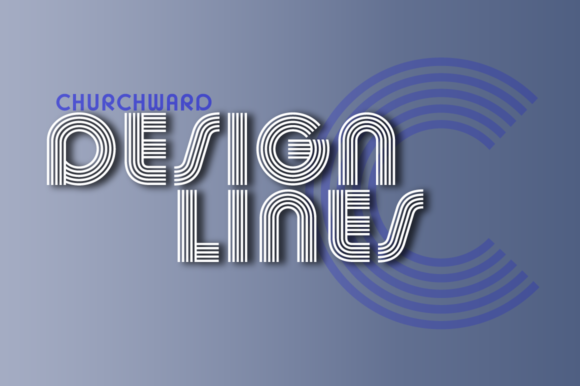
When you are looking to inject a specific vibe into a project, typography is often the first tool designers reach for. Design Lines is a cool, psychadelic display font that stands out immediately. It has an energetic, almost vibrating quality that captures attention. However, its unique aesthetic comes with responsibilities. Adding this minimalist and techno styled font to your web designs, logos or pretty much anything that requires a smart, cool touch can be rewarding, but it can also backfire if used without understanding its limitations.
Many creators download trendy fonts without considering legibility, licensing, or context. This article explores how to use Design Lines effectively while avoiding common pitfalls that compromise readability and professional presentation.
Understanding the Aesthetic of Design Lines
Design Lines belongs to the category of display fonts. These are typefaces meant to be seen at large sizes, not read in long paragraphs. The "psychedelic" descriptor refers to its visual rhythm—the lines may twist, taper, or intersect in ways that mimic optical illusions or retro-futuristic patterns. This makes it ideal for headlines, posters, album covers, and branding elements where mood matters more than dense information.
The "minimalist and techno styled" aspect suggests a clean underlying structure despite the complex appearance. This duality is powerful. When paired correctly, Design Lines can feel modern and sophisticated rather than chaotic. But this balance is fragile. If the surrounding design elements compete with the font’s energy, the result can look cluttered or amateurish.
Common Misconceptions About Display Fonts
A frequent mistake is assuming that any bold or stylized font works for body text. Some users try to set small paragraphs using Design Lines because they like the look of the letters up close. This leads to poor user experience (UX) and accessibility issues. Screen readers may struggle, and human eyes tire quickly when trying to parse irregular shapes at small sizes.
Another misunderstanding involves scalability. A font that looks striking on a high-resolution desktop monitor might render poorly on mobile devices or print materials if the vector paths are too intricate. Always test your chosen font across different mediums before finalizing a design.
Key Mistakes to Avoid When Using Design Lines
To ensure your projects remain professional and effective, avoid these common errors:
- Overusing the font: Using Design Lines for every headline creates visual fatigue. Reserve it for key moments where impact is needed.
- Poor contrast: Because of its intricate nature, Design Lines needs ample negative space. Crowding it with other graphics or text reduces its effectiveness.
- Ignoring kerning and tracking: The spacing between letters in psychedelic fonts is critical. Default settings often leave gaps that disrupt the flow. Adjust letter-spacing manually to maintain cohesion.
- Mismatched pairings: Pairing Design Lines with another busy or decorative font creates confusion. Stick to simple sans-serif or serif fonts for supporting text.
- Neglecting licensing: Not all free downloads come with commercial rights. Assuming a font is safe to use for client work can lead to legal trouble.
Impact on Usability and Brand Perception
These mistakes do more than just make a design look bad; they affect how your audience perceives your brand. Poor readability signals carelessness. Inconsistent styling undermines trust. For businesses, especially those targeting tech-savvy or creative demographics, clarity and polish are non-negotiable. A logo that relies heavily on Design Lines must still be recognizable at favicon size. If the details get lost, the brand identity weakens.
Practical Strategies for Effective Application
Instead of treating Design Lines as a one-size-fits-all solution, adopt a strategic approach. Here’s how to integrate it successfully into your workflow.
1. Contextual Selection
Ask yourself: What is the goal of this piece? If you are designing a concert poster, a gaming interface, or a fashion campaign, Design Lines fits naturally. If you are writing a technical manual or a corporate annual report, it likely does not. Match the font’s energy to the message’s tone. Use it to evoke excitement, innovation, or nostalgia, depending on the interpretation.
2. Strategic Pairing
Balance is key. Since Design Lines is visually loud, pair it with neutral, understated typefaces. A clean geometric sans-serif like Helvetica, Roboto, or Montserrat works well for subheadings and body copy. This contrast highlights the uniqueness of Design Lines without overwhelming the viewer. Think of Design Lines as the star actor and the supporting font as the stage crew—essential, but invisible.
3. Technical Testing
Before committing to a design, perform these checks:
- Resolution Test: View the font at 100% zoom and then shrink it to 50%. Does it remain legible?
- Color Contrast: Ensure sufficient contrast between the font color and background. Light-on-light or dark-on-dark combinations can obscure the fine details of psychedelic styles.
- Print Proof: If printing, request a physical proof. Colors and line weights often shift from screen to paper.
- Web Embedding: If using on the web, convert the font to WOFF2 format for optimal performance and cross-browser compatibility.
Evaluating Licensing and Cost
One overlooked detail is the license agreement. Many online repositories offer "free for personal use" fonts that require payment for commercial projects. Design Lines may have varying terms depending on the source. Always read the end-user license agreement (EULA).
If you plan to use the font for a client project, product packaging, or merchandise, purchase the appropriate commercial license. This protects you from copyright infringement claims and supports the type designer. While budget constraints are real, skipping proper licensing can result in fines that far exceed the cost of the font.
Alternatives and Comparisons
If Design Lines doesn’t quite fit your vision, consider similar options. Fonts like Bebas Neue offer strong presence without the psychedelic complexity. Oswald provides a condensed, modern look suitable for techno themes. Exploring alternatives helps you find the right balance between style and functionality. Sometimes, a simpler font achieves the same "cool" effect with greater versatility.
Final Thoughts on Integration
Using Design Lines is about intentionality. It is not a decorative afterthought but a deliberate choice that sets the tone for your entire project. By avoiding common mistakes such as overuse, poor pairing, and ignoring licensing, you can harness its full potential.
Remember that good design serves the user first. Even the coolest font fails if it cannot communicate clearly. Use Design Lines to enhance your message, not distract from it. With careful planning and technical diligence, this minimalist and techno styled font can add a smart, cool touch to virtually any creative endeavor.
Take the time to experiment, test, and refine. The difference between a mediocre design and a standout one often lies in these small, thoughtful decisions. Whether you are a seasoned professional or a beginner exploring typography, respecting the nuances of Display Fonts like Design Lines will elevate your work and satisfy your audience.