Dottingham: The Victorian Display Font for Bold Design
When you are working on a project that demands immediate attention, standard sans-serif or serif typefaces often fall flat. They communicate clearly, yes, but they rarely evoke emotion or establish a distinct historical atmosphere. This is where Dottingham enters the design arena. It is not just another font; it is a statement piece defined by its Victorian heritage and rough, textured aesthetic. For designers, marketers, and hobbyists alike, understanding the specific utility of this imposing typeface can transform a mundane layout into something memorable.
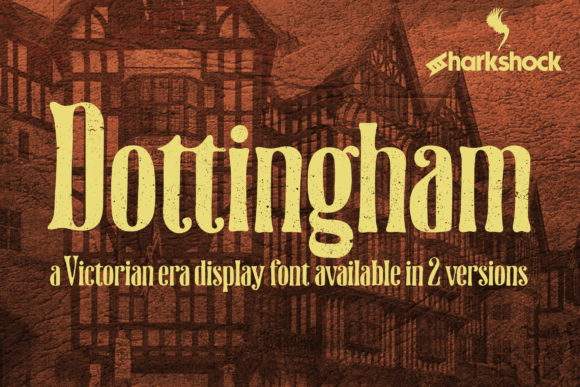
Dottingham is a display font characterized by its unique letterforms and tactile surface quality. Unlike clean, modernist fonts that prioritize legibility above all else, Dottingham prioritizes character. Its letters feature irregular edges and a "rough" texture that mimics the look of old printing presses, weathered stone, or vintage posters. This visual noise creates an imposing presence that naturally draws the eye. Because of these distinctive traits, it is not suitable for body text or long-form reading. Instead, it shines in headlines, logos, packaging, and any creative endeavor requiring a strong, nostalgic, or rugged touch.
Why Different Audiences Care About Typography
The value of a font like Dottingham varies significantly depending on who is using it and what they are trying to achieve. A graphic designer looking for versatility might find Dottingham too niche, while a small business owner launching a craft brewery might see it as the perfect brand anchor. Understanding these differing perspectives helps clarify whether this tool fits your specific workflow.
- Creativity vs. Function: Some users prioritize ease of use and speed, preferring fonts that blend seamlessly into backgrounds. Others prioritize creativity and impact, willing to sacrifice neutrality for a bold visual hook.
- Nostalgia vs. Modernity: While many brands strive for a futuristic look, there is a growing market for authenticity and history. Dottingham serves those who want to signal tradition, craftsmanship, or grit.
- Legibility vs. Atmosphere: Beginners often struggle with the balance between readability and style. Dottingham teaches the lesson that some text is meant to be felt rather than read quickly.
For Freelancers and Graphic Designers
Professional creators are constantly searching for assets that add instant personality to their portfolios. Dottingham offers a high degree of flexibility when used correctly. Its imposing nature makes it ideal for poster design, album covers, and event flyers where the goal is to stop a viewer in their tracks. However, experienced designers know that such a dominant font requires restraint. It works best when paired with simple, minimal elements that allow the texture of the letters to breathe. If you are building a brand identity for a company that values ruggedness—such as a construction firm, a leather goods maker, or a vintage furniture restorer—Dottingham provides an immediate visual shorthand for those qualities.
The key here is contrast. Using Dottingham alongside a clean, thin sans-serif font can create a sophisticated tension between the rough past and the sleek present. This technique allows professionals to maintain a modern edge while leveraging historical aesthetics.
For Small Business Owners and Marketers
Entrepreneurs do not always have the budget for custom typography, so they rely on existing libraries to convey their brand voice. For a bakery specializing in artisanal sourdough or a distillery producing small-batch whiskey, Dottingham can communicate quality and heritage without a single word of explanation. The "rough" texture implies that the product is handmade, unpolished, and authentic.
Marketers should consider the context of their campaigns. If you are running a social media ad for a limited-edition release, the imposing shape of Dottingham can create a sense of urgency and exclusivity. It feels substantial and weighty, which can subconsciously suggest value to the consumer. However, avoid using it for fine print or terms and conditions. The texture and spacing may hinder accessibility and readability, which violates best practices for inclusive design.
For Educators and Content Creators
Bloggers, educators, and publishers often focus on clarity. Yet, even in educational materials, visual hierarchy matters. An educator teaching a module on 19th-century literature or industrial history could use Dottingham for chapter headings to set the scene. It acts as a visual cue, preparing the student for the tone of the content ahead. Similarly, bloggers writing about DIY projects, woodworking, or retro gaming can use this font to enhance the thematic consistency of their posts. It adds a layer of production value that makes digital content feel more curated and intentional.
For Hobbyists and Consumers
You do not need to be a professional designer to appreciate the impact of good typography. Hobbyists who create physical products—such as hand-stamped cards, engraved wooden signs, or printed zines—will find Dottingham particularly useful. The rough texture translates well to physical media, where imperfections are part of the charm. For consumers who enjoy curating their own spaces, perhaps designing a personal website or a family recipe book, Dottingham offers a way to inject personality without needing advanced technical skills. Many modern design tools allow for easy customization of size and color, meaning you can adapt the imposing nature of the font to fit softer palettes if desired.
Priorities: Quality, Flexibility, and Long-Term Usefulness
When evaluating Dottingham, it is important to weigh its strengths against its limitations. Its primary strength is its distinctiveness. In a sea of generic templates, a font with such a clear point of view stands out. This contributes to its commercial value for brands seeking differentiation.
However, its flexibility is limited. It is not a workhorse font. You cannot use it for paragraphs, captions, or navigation menus. Therefore, its usefulness depends entirely on your ability to pair it effectively. If you lack experience in typography, you might find it difficult to balance Dottingham with complementary fonts. In such cases, sticking to a two-font system—one heavy display font like Dottingham and one light neutral font—is the safest approach.
From a long-term perspective, trends in design cycle every few decades. Victorian-inspired aesthetics have seen a resurgence in recent years, driven by a desire for authenticity in a digital world. This suggests that Dottingham may remain relevant for longer than fleeting trend-based fonts. Its connection to historical printing techniques gives it a timeless quality that newer, purely digital fonts sometimes lack.
Identifying Your Fit
To determine if Dottingham matches your goals, ask yourself a few practical questions:
- Is the message bold? Does your project require a shout rather than a whisper?
- Is the theme historical or rugged? Does your brand story involve craftsmanship, age, or strength?
- Do you have space to breathe? Can your layout accommodate large, impactful text without clutter?
If you answered yes to these, Dottingham is likely a powerful addition to your toolkit. It is a font that demands respect and attention. By using it strategically, you can elevate your designs from ordinary to extraordinary, ensuring that your message is not just seen, but felt.