Spooky Boo Font Review: Evaluating Its Fit for Halloween Design Projects
Designing for the autumn season, particularly around Halloween, requires a specific visual language. It is not enough to simply be "scary"; the typography must balance theatricality with readability, and horror with humor. This is where Spooky Boo enters the conversation as a notable option for graphic designers, event planners, and content creators looking to add a dramatic touch to their October projects. As a display font that leans heavily into the creepy yet fun aesthetic, it offers a distinct personality that can elevate everything from party invitations to social media graphics.
However, selecting the right typeface is rarely a straightforward decision. Designers often find themselves weighing various factors such as legibility, versatility, licensing, and emotional resonance. This review aims to provide a practical evaluation of Spooky Boo, exploring its characteristics, ideal use cases, and how it compares to broader categories of Halloween-themed typography. By understanding the strengths and limitations of this font, you can make a more informed decision about whether it aligns with your creative goals.
Understanding the Aesthetic of Spooky Boo
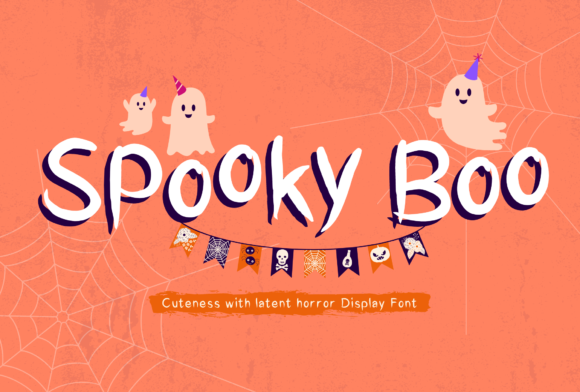
To evaluate any design tool, one must first understand its visual DNA. Spooky Boo is categorized as a display font, which means it is designed to be used at large sizes rather than for body text. Display fonts prioritize character and style over functional neutrality. In the case of Spooky Boo, the character is defined by irregular shapes, jagged edges, and a playful distortion that mimics the look of something decaying or shifting in the dark.
The font’s name itself suggests a duality: "Spooky" implies fear and unease, while "Boo" introduces a layer of whimsy and lightheartedness. This combination is crucial. Many horror fonts lean too heavily into the grotesque, becoming difficult to read or visually aggressive in a way that alienates audiences who prefer festive fun over genuine terror. Spooky Boo navigates this spectrum by maintaining a creepy silhouette while retaining a level of approachability. The letters often appear slightly uneven, as if they are melting or shaking, which adds dynamic energy to static designs.
This aesthetic makes it particularly effective for headlines, titles, and short phrases. When used correctly, the font does not just convey information; it sets a mood. It signals to the viewer that the content is themed, seasonal, and intended to be engaging. For designers working on limited-time campaigns, this immediate visual cue can be invaluable in capturing attention in a crowded digital landscape.
Comparative Analysis: Where Does Spooky Boo Fit?
When evaluating Spooky Boo, it is helpful to place it within the broader context of Halloween typography. The market for seasonal fonts is vast, ranging from elegant gothic scripts to crude, blood-dripping effects. Understanding where Spooky Boo sits in this hierarchy helps clarify its utility.
Playful Horror vs. Traditional Gothic
Traditional Gothic fonts, often inspired by Victorian mourning imagery or medieval manuscripts, rely on sharp serifs and high contrast. They convey history, seriousness, and classic horror. Spooky Boo diverges from this tradition. It is less about historical dread and more about modern, cartoonish fright. If your project requires a sense of timeless elegance or serious cinematic horror, Spooky Boo may feel too casual. However, if the goal is to create a fun, family-friendly Halloween atmosphere—such as for a school carnival, a children’s book cover, or a casual office party—its playful nature is a significant advantage.
Handwritten Scripts vs. Structured Display
Another common alternative in the Halloween space is the handwritten script font. These fonts mimic scrawled notes, tombstone inscriptions, or witch’s cauldron recipes. While charming, they often suffer from poor legibility when scaled up or used in rapid succession. Spooky Boo, while stylized, maintains a more structured baseline. The characters, though distorted, have a consistent weight and spacing that makes them easier to scan quickly. This structural integrity allows for better hierarchy in design layouts, enabling designers to pair Spooky Boo with simpler sans-serif or serif fonts for secondary information without creating visual chaos.
Digital Noise vs. Clean Vector Shapes
In the era of digital design, many "horror" fonts rely on heavy textures, grunge overlays, or pixelated effects to achieve their look. These fonts often require additional post-processing in software like Photoshop to look their best, adding time to the workflow. Spooky Boo typically presents as a clean vector shape. This means it scales infinitely without losing quality and integrates seamlessly into both print and digital mediums. For designers who need to produce assets quickly across multiple formats—from large banners to small mobile icons—the clean structure of Spooky Boo offers a practical efficiency that textured alternatives lack.
Ideal Use Cases and Practical Applications
Knowing what a font looks like is only half the equation; knowing where it performs best is the other half. Based on its visual properties, Spooky Boo excels in specific scenarios where drama and festivity intersect.
- Event Promotions: Flyers for haunted houses, costume parties, or trunk-or-treat events benefit from the font’s energetic vibe. The irregular shapes suggest movement and excitement, encouraging viewers to engage with the event details.
- Social Media Graphics: On platforms like Instagram or Pinterest, where images are viewed quickly on small screens, bold and distinctive letterforms stand out. Spooky Boo’s unique silhouette ensures that a post catches the eye even before the user reads the caption.
- Product Packaging: For seasonal products such as candy, decorations, or themed merchandise, the font adds shelf appeal. It communicates the product’s theme instantly, helping consumers identify it as part of the holiday collection.
- Educational Materials: Teachers and educators creating Halloween-themed worksheets or classroom decorations can use Spooky Boo to make learning materials feel special and timely without appearing inappropriate or overly frightening for younger students.
In each of these cases, the font serves as a visual anchor. It draws the eye and frames the content, allowing the actual message to be delivered within a cohesive thematic context.
Tradeoffs and Limitations to Consider
No single font is a universal solution, and Spooky Boo is no exception. Recognizing its limitations is essential for avoiding design pitfalls.
Legibility at Small Sizes: As a display font, Spooky Boo is not suitable for body text. Attempting to set long paragraphs in this typeface will result in reader fatigue and confusion. The irregular shapes and varying stroke widths disrupt the reading rhythm. Designers must reserve it for headlines, logos, or key phrases, ensuring that supporting text is provided in a highly readable neutral font.
Overuse Can Dilute Impact: Because the font is so expressive, using it excessively can lead to visual noise. If every word on a page is styled in Spooky Boo, the design loses hierarchy and becomes overwhelming. Strategic restraint is key. Use the font to highlight the most important elements, letting the negative space and simpler fonts do the heavy lifting for detailed information.
Niche Appeal: While versatile within the Halloween genre, Spooky Boo may not fit all brand voices. Corporate brands with strict guidelines regarding tone and professionalism might find the font too informal or childish. It is best suited for brands that are comfortable with seasonal playfulness and informal communication.
Decision Factors: Is Spooky Boo Right for You?
Choosing between Spooky Boo and other options ultimately depends on your specific project requirements. Consider the following questions to guide your decision:
- What is the desired emotional tone? If you want to evoke laughter, curiosity, or mild thrill, Spooky Boo is a strong candidate. If you aim for deep psychological horror or solemnity, look elsewhere.
- Who is the target audience? For general audiences, families, and young adults, the font’s approachable creepiness works well. For niche horror enthusiasts who prefer gritty realism, it may feel too polished.
- What is the medium? For digital-first designs and large-format prints, the font’s clarity shines. For intricate, small-scale engraving or embroidery, the complex shapes might lose detail.
- Do you need versatility? If you require a font that can span multiple seasons or themes beyond Halloween, Spooky Boo’s narrow focus might limit its long-term value. However, for dedicated seasonal projects, its specificity is a strength.
By carefully weighing these factors, designers can determine if Spooky Boo aligns with their creative vision. It is not merely a decorative element but a strategic choice that influences how the audience perceives the content.
Exploring Endless Possibilities
Once you decide to incorporate Spooky Boo into your workflow, the possibilities expand rapidly. Experiment with color palettes that contrast sharply with the font’s dark character, such as bright oranges, electric purples, or stark whites. Try kerning adjustments to enhance the disjointed, spooky effect, or pair it with complementary textures like paper grain or subtle shadows to add depth.
The key to success lies in intentionality. Use Spooky Boo not just because it is trendy, but because it effectively communicates the mood and message of your project. Whether you are designing a single poster or a comprehensive campaign, taking the time to evaluate how different typefaces serve your goals will result in more professional and impactful designs. Spooky Boo, with its unique blend of eerie charm and structural clarity, stands ready to bring a dramatic touch to your October creations, offering a reliable tool for anyone looking to capture the spirit of the season.