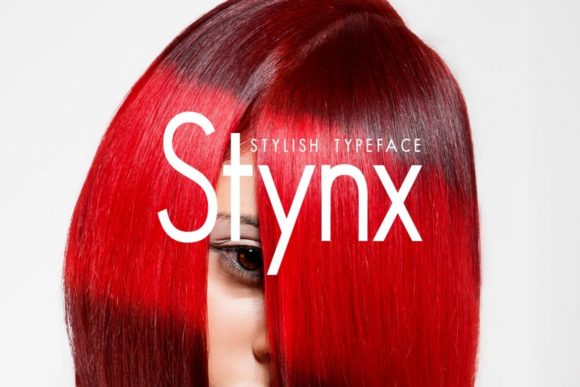
Stynx: A Strategic Typeface for Modern Brand Identity
In the landscape of digital and print design, typography is rarely just a vessel for text; it is a primary carrier of brand identity. For professionals seeking to establish a distinct visual voice, the choice of typeface can dictate the perceived value, tone, and accessibility of a project. Among the growing array of display fonts available today, Stynx has emerged as a compelling option for those prioritizing sophistication, clarity, and stylistic precision. This analysis examines Stynx not merely as a decorative asset, but as a functional tool for branding, logotype creation, and high-impact editorial design.
Defining the Character of Stynx
Stynx is categorized primarily as a stylish display typeface. Unlike grotesque sans-serifs designed for dense body copy or serif faces intended for long-form reading, Stynx is engineered for visibility and impact at larger sizes. Its design language leans heavily into modern minimalism, characterized by clean geometric structures tempered with subtle humanist touches that prevent the letters from feeling sterile or overly mechanical.
The font’s appeal lies in its balance. It avoids the extreme quirks often found in novelty display fonts, which can quickly date a design or distract from the message. Instead, Stynx offers a refined aesthetic that feels contemporary yet timeless. The letterforms are constructed with attention to negative space, ensuring that even complex words remain legible when scaled up for headers, posters, or logo marks. This makes it particularly suitable for industries where perception matters, such as fashion, luxury goods, architecture, and creative agencies.
Key Characteristics and Design Strengths
To understand why Stynx is worth considering for your next project, it is necessary to look at its specific typographic features. These elements contribute to its overall effectiveness in professional settings.
- Clean Geometric Foundations: The underlying structure of Stynx relies on precise geometric forms. Circles are nearly perfect, and angles are sharp. This provides a sense of order and stability, which subconsciously communicates reliability and professionalism to the viewer.
- High Legibility at Scale: Display fonts often sacrifice readability for style. Stynx mitigates this risk. The x-height is generous, and the counters (the enclosed spaces within letters like 'e' or 'a') are open. This ensures that the type remains readable even when used in tight kerning pairs or small display sizes.
- Versatile Weight Options: A robust type family usually includes multiple weights. Stynx typically offers a range from light to bold, allowing designers to create hierarchy without switching families. Using a lighter weight for subtitles against a bold headline in the same family creates a cohesive visual narrative.
- Refined Detailing: While geometric, Stynx avoids being cold. Subtle variations in stroke width or terminal cuts add a layer of sophistication. These details are most visible in large-format applications, such as signage or magazine covers, where they add texture without clutter.
Practical Applications in Branding and Design
The utility of Stynx extends beyond mere aesthetics. In practical terms, it serves specific functions across various design disciplines. Understanding these use cases helps determine if the font aligns with your workflow and project goals.
Logotype and Wordmark Creation
One of the strongest use cases for Stynx is in the creation of logotypes. Because the font has a strong, confident presence, it works well as a standalone brand mark. Designers can leverage the unique shapes of certain letters to create custom ligatures or stylized connections between characters. For example, a fashion brand might use Stynx to spell out its name with wide tracking (letter-spacing) to evoke a sense of luxury and exclusivity. The clean lines ensure that the logo remains reproducible across different mediums, from embroidery on clothing to digital avatars.
Editorial and Magazine Headers
In publishing, the header is the hook. Stynx’s stylish nature makes it an excellent candidate for feature article titles, pull quotes, and section dividers. Its ability to command attention without shouting allows it to complement high-quality photography and complex layouts. When paired with a neutral body font, Stynx adds a touch of editorial flair that elevates the entire page design. It signals to the reader that the content is curated and premium.
Digital Marketing and Social Media
In the fast-scrolling environment of social media, static images and short videos must convey their message instantly. Text overlays using Stynx can cut through visual noise. The font’s clarity ensures that calls-to-action or promotional headlines are read quickly. Furthermore, its modern aesthetic aligns well with current trends in minimalist web design and app interfaces, making it a safe yet distinctive choice for tech startups and lifestyle brands.
Evaluating Usability and Flexibility
A typeface is only as good as its implementation. From a technical standpoint, Stynx demonstrates qualities that make it user-friendly for both novice designers and seasoned typographers.
Consistency Across Weights: One common issue with multi-weight families is inconsistency in style. Some fonts feel like entirely different typefaces when switching from regular to bold. Stynx maintains a consistent voice across its spectrum. This consistency is crucial for maintaining brand integrity, especially when a brand needs to adapt its visual identity across different platforms while keeping the core typography recognizable.
Kerning and Spacing: Well-designed display fonts come with pre-set kerning pairs that account for awkward spacing issues. Stynx generally performs well out of the box, reducing the need for manual adjustment. However, because it is a stylish font, designers should still exercise caution with wide tracking. Over-spacing can sometimes break the visual rhythm of the word, so testing different spacings is recommended to find the optimal balance for each specific word.
Licensing and Accessibility: For businesses, the licensing terms of a font are a critical consideration. Stynx is typically available under standard commercial licenses, allowing for broad usage in marketing materials, products, and digital assets. Always verify the specific license agreement, as terms can vary depending on the distributor. Ensuring you have the correct rights prevents legal complications and protects your brand’s reputation.
Who Benefits Most from Stynx?
Not every project requires a specialized display font. Stynx is best suited for specific audiences and scenarios.
- Fashion and Lifestyle Brands: If your brand revolves around aesthetics, trendiness, and visual appeal, Stynx’s sophisticated edge aligns perfectly with these values.
- Creative Agencies and Freelancers: Designers looking for a reliable, stylish tool to add polish to client presentations, portfolios, or mockups will find Stynx to be a versatile addition to their toolkit.
- Small Business Owners: Entrepreneurs who want to establish a professional online presence without hiring a full-time graphic designer can benefit from using Stynx in DIY tools like Canva or Adobe Express. Its ease of use and immediate visual impact make it accessible for non-designers.
- Publishers and Editors: Those producing high-end digital magazines, newsletters, or blogs can use Stynx to differentiate their headers from the generic sans-serifs commonly found on the web.
Potential Limitations and Considerations
While Stynx is a strong typeface, it is not a universal solution. Its primary limitation is its intended use as a display font. It is not designed for body copy. Attempting to use Stynx for paragraphs of text will result in reader fatigue and reduced comprehension. It should always be reserved for headlines, titles, logos, and short phrases.
Additionally, because "stylish" and "modern" are subjective, there is a risk that the font may feel too trendy for brands aiming for a classic, heritage, or conservative image. Companies in traditional sectors like finance, law, or healthcare might find Stynx too edgy or casual. In such cases, a more traditional serif or a neutral sans-serif would be a safer choice.
Another consideration is overuse. As display fonts become popular, they can lose their uniqueness. If many competitors in your industry adopt similar stylish sans-serifs, your brand may blend in rather than stand out. To mitigate this, consider customizing the font—adjusting weights, colors, or combining it with other typefaces—to create a unique visual identity.
Conclusion
Stynx represents a thoughtful approach to modern typography. It bridges the gap between geometric precision and stylistic flair, offering a tool that is both functional and aesthetically pleasing. For professionals in fashion, branding, and creative media, it provides a reliable way to elevate visual communication. By understanding its strengths in display contexts and respecting its limitations in body text, designers can harness Stynx to create work that is not only beautiful but also effective. Whether you are crafting a new logo or designing a seasonal campaign, Stynx offers the sophistication needed to make a lasting impression.