Evaluating Bee Talk: A Practical Guide to Handwritten Chalkboard Typography
Selecting the right typeface is rarely just about aesthetics; it is a strategic decision that influences readability, brand perception, and user engagement. Among the myriad of display fonts available today, Bee Talk has carved out a specific niche by emulating the authentic texture of chalk on a blackboard. For designers, educators, and content creators seeking to inject warmth and authenticity into their projects, understanding where this font fits within the broader landscape of handwritten and chalk-style typography is essential.
This analysis explores the distinct characteristics of Bee Talk, evaluates its performance against similar design solutions, and provides a framework for deciding whether it is the appropriate tool for your next project. By examining its strengths, limitations, and ideal use cases, you can make an informed choice that aligns with your visual goals.
The Distinct Character of Bee Talk
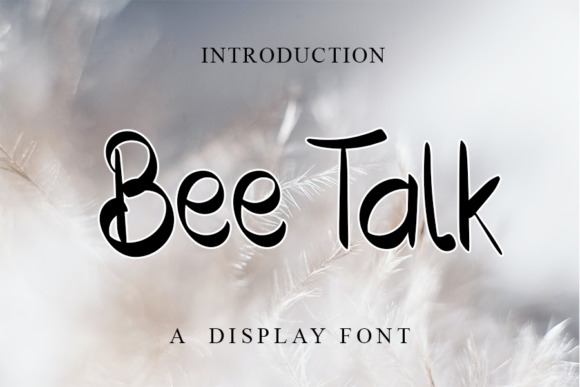
At its core, Bee Talk is designed to replicate the irregular, organic nature of writing with chalk on a slate or wooden board. Unlike standard sans-serif or serif fonts that prioritize geometric precision, Bee Talk embraces imperfection. The strokes vary in thickness, the edges are slightly rough, and the letterforms often exhibit a slight tilt or uneven baseline. This "authentic look and feel" is not merely decorative; it serves a psychological function by triggering associations with learning, creativity, and personal touch.
The font’s primary appeal lies in its ability to add a personal and realistic feel to digital designs. In an era where screens dominate our visual experience, the tactile quality of Bee Talk offers a refreshing contrast. It mimics the medium of traditional education and artisanal signage, making it particularly effective for:
- Educational Materials: Worksheets, classroom posters, and online course headers that aim to feel approachable rather than corporate.
- Culinary Branding: Restaurant menus, cafe signage, and food packaging that wish to evoke a farm-to-table or homemade aesthetic.
- Event Design: Wedding invitations, party flyers, and workshop announcements that require a casual, friendly tone.
However, the very features that give Bee Talk its charm also dictate its limitations. It is not a universal solution but a specialized instrument best deployed in contexts where informality and handcrafted vibes are desired.
Comparing Bee Talk to Alternative Typography Styles
To understand the value proposition of Bee Talk, it is helpful to compare it with other common categories of display fonts. When evaluating options for a project, designers typically choose between three main directions: clean modernism, rustic vintage, and playful handwriting. Bee Talk sits firmly in the latter two, but with a specific textural emphasis.
Versus Clean Sans-Serif Fonts
Clean sans-serif fonts (such as Helvetica, Arial, or Montserrat) are the default choice for clarity and neutrality. They communicate efficiency, professionalism, and modernity. Bee Talk stands in direct opposition to this philosophy. If your goal is to convey data, technical specifications, or minimalist luxury, Bee Talk will likely undermine your message by introducing visual noise and perceived unprofessionalism. However, if you are designing a greeting card, a blog post header, or a social media graphic intended to stop the scroll through warmth and personality, Bee Talk offers a significant advantage over sterile sans-serifs.
Versus Other Chalkboard Fonts
The market for chalk-style fonts is crowded. Many competitors attempt to mimic the same medium, but they often differ in execution. Some chalk fonts are overly distressed, resulting in illegibility when scaled down. Others are too uniform, losing the human element that makes chalk writing appealing. Bee Talk distinguishes itself by striking a balance between legibility and texture. Its letterforms remain clear enough for short headlines while retaining enough grain and variation to feel hand-drawn.
When comparing Bee Talk to generic "handwriting" fonts, the distinction is one of medium specificity. Generic handwriting fonts might simulate pen, marker, or pencil. Bee Talk is explicitly tied to the chalkboard context. This specificity is a strength when the theme matches, but it can become a limitation if the design requires a different kind of manual touch, such as a sleek cursive script for a wedding invitation.
Versus Script and Cursive Fonts
Script fonts offer elegance and flow, often associated with sophistication or high-end branding. Bee Talk lacks this fluidity. It is blocky, upright, and grounded. While a script font might suggest grace, Bee Talk suggests effort and craft. Choosing between them depends entirely on the emotional resonance you wish to create. For a yoga studio or a boutique bakery, Bee Talk feels more accessible and community-oriented, whereas a script font might feel more exclusive or refined.
Strengths and Tradeoffs in Application
No typographic choice is without tradeoffs. Understanding these dynamics is crucial for effective implementation.
Strengths
- Emotional Connection: Bee Talk leverages nostalgia and familiarity. Humans are wired to respond positively to signs of human creation. Using Bee Talk signals that there is a person behind the brand, fostering trust and relatability.
- Visual Hierarchy: Because of its textured appearance, Bee Talk naturally draws the eye. It is excellent for grabbing attention in cluttered environments, such as social media feeds or busy web pages, without needing bold weights or bright colors.
- Versatility in Short Text: For titles, quotes, and callouts, Bee Talk performs exceptionally well. It adds character to small amounts of text without overwhelming the reader.
Limitations
- Legibility at Small Sizes: The irregular edges and varying stroke widths of Bee Talk reduce its readability when used for body copy. Attempting to set paragraphs of text in Bee Talk will fatigue the reader and hinder comprehension. It is strictly a display font.
- Niche Appeal: The chalkboard aesthetic is specific. It may clash with industries that rely on sleekness, technology, or clinical precision, such as software development, medical services, or finance. In these contexts, Bee Talk could appear out of place or amateurish.
- Pairing Challenges: Finding a complementary font can be tricky. Pairing Bee Talk with another highly stylized font often results in visual chaos. It usually requires pairing with a simple, neutral sans-serif or serif to ground the design and provide structural stability.
Decision Factors: When to Choose Bee Talk
Deciding to incorporate Bee Talk into your workflow should be guided by a clear assessment of your project's needs. Consider the following criteria to determine if it is the right fit.
Contextual Relevance
Does your content relate to education, hospitality, crafts, or community events? If yes, Bee Talk is likely a strong candidate. The font reinforces the subject matter. For example, a flyer for a local cooking class benefits from the tactile promise of Bee Talk, suggesting hands-on learning. Conversely, a technical whitepaper on cloud computing would suffer from its use.
Readability Requirements
Will the text be read quickly or slowly? Bee Talk is ideal for quick-glance information: headlines, labels, and quotes. If the audience needs to digest complex information, reserve Bee Talk for accents only, using a highly legible font for the primary content. This hybrid approach allows you to enjoy the aesthetic benefits of Bee Talk without compromising user experience.
Brand Voice Alignment
Is your brand voice warm, informal, and approachable? Or is it authoritative, distant, and formal? Bee Talk amplifies warmth. If your brand aims to be seen as a trusted expert or a luxury provider, Bee Talk may dilute your authority. It is best suited for brands that want to feel like a neighbor rather than a corporation.
Practical Implementation Tips
Once you have decided that Bee Talk aligns with your goals, proper implementation ensures the design succeeds. Here are practical strategies for using the font effectively.
- Limit Usage: Use Bee Talk sparingly. Reserve it for key headings, pull quotes, or decorative elements. Avoid long sentences.
- Ensure Contrast: Place Bee Talk against solid, contrasting backgrounds. The texture of the font can get lost on complex images or gradients. A dark background with light chalk-like text, or vice versa, works best.
- Adjust Spacing: Handwritten fonts often benefit from slightly increased letter-spacing (tracking) to improve readability. Experiment with spacing to ensure the characters do not feel cramped.
- Combine Thoughtfully: Pair Bee Talk with a clean, geometric sans-serif for body text. This creates a balanced composition where Bee Talk provides personality and the secondary font provides clarity.
Conclusion
Bee Talk is a specialized tool in the designer’s arsenal, offering a unique blend of nostalgia, texture, and approachability. It is not a replacement for standard body fonts, nor is it suitable for every brand identity. However, when applied to the right context—educational materials, creative workshops, culinary arts, or personal projects—it adds a layer of authenticity that printed or digital sans-serifs cannot replicate.
By weighing Bee Talk against alternatives based on legibility, brand voice, and contextual relevance, you can determine whether its handwritten charm enhances your message. Used judiciously, Bee Talk transforms static text into a dynamic, human-centered experience, bridging the gap between digital design and physical craftsmanship.